
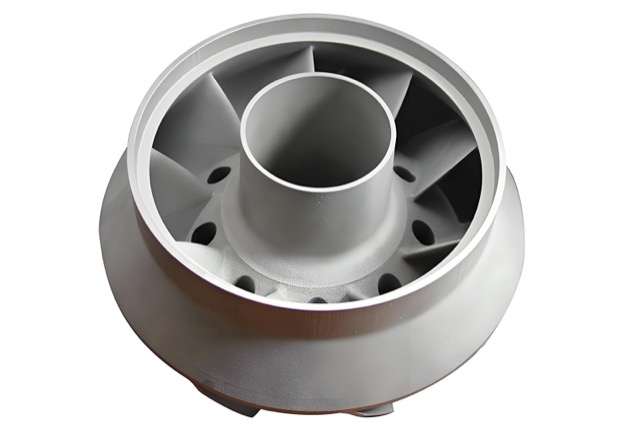
SLS Selective Laser Sintering
No supports needed — functional parts printed directly. Xinda's nylon powder laser sintering forms complex cavities, lattices, and overhangs in one build, with part strength close to injection-molded parts, ideal for functional validation and low-volume delivery.
Process Overview
SLS Selective Laser Sintering
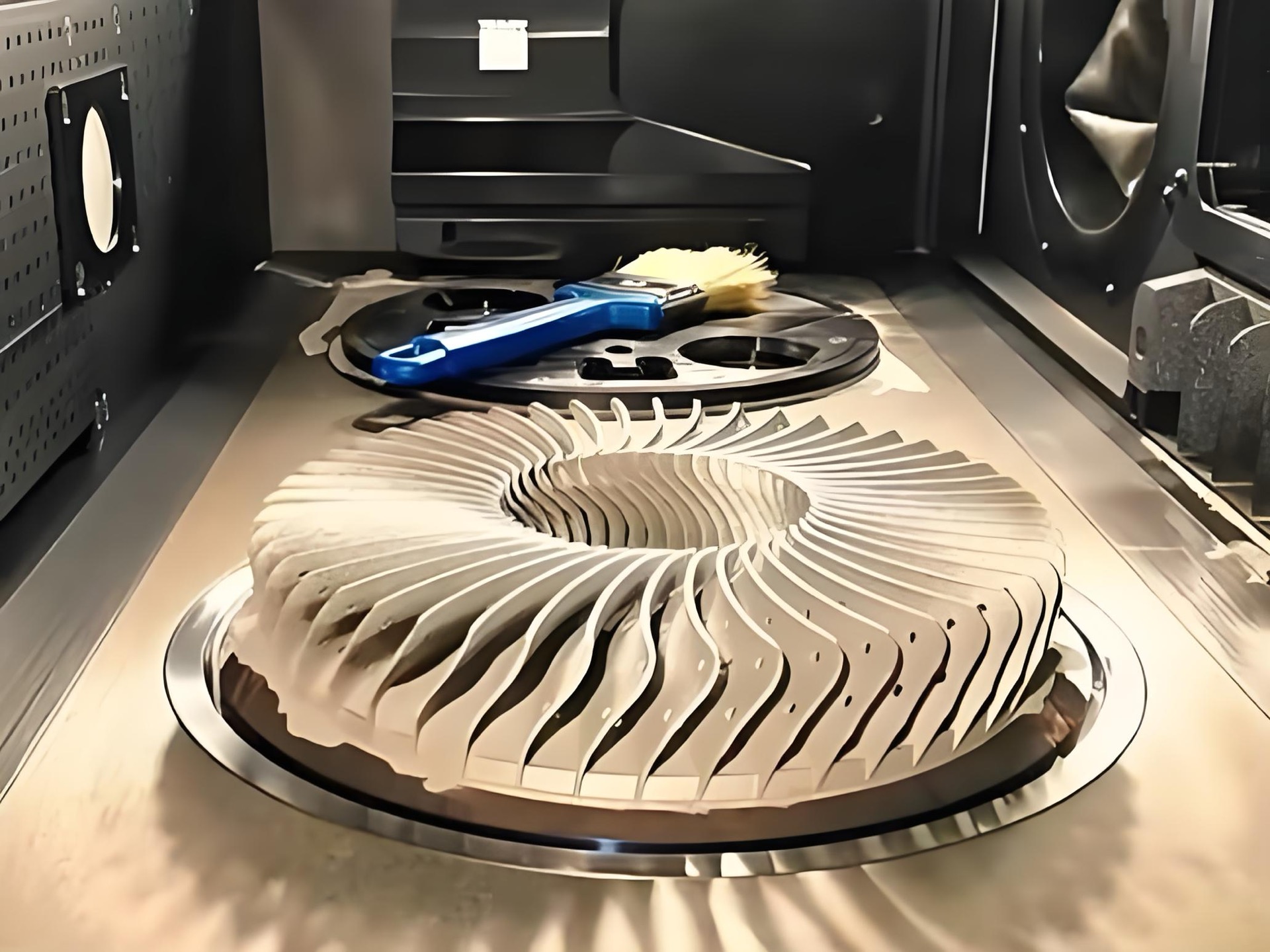
SLS (Selective Laser Sintering) builds parts by laser-sintering nylon powder layer by layer; the powder bed supports itself, so no extra support structures are needed.
- Support-free forming: self-supporting powder prints complex cavities and overhangs directly
- Nylon functional parts: PA12/PA11 strength allows direct assembly and functional testing
- High batch efficiency: large powder bed prints dozens of parts per run, ideal for low volume
Service Type3D Printing
Project StagePrototype / Low Volume
FinishingMatched by Material
Quote FilesSTEP / IGES / PDF
SLS Selective Laser Sintering Part Cases
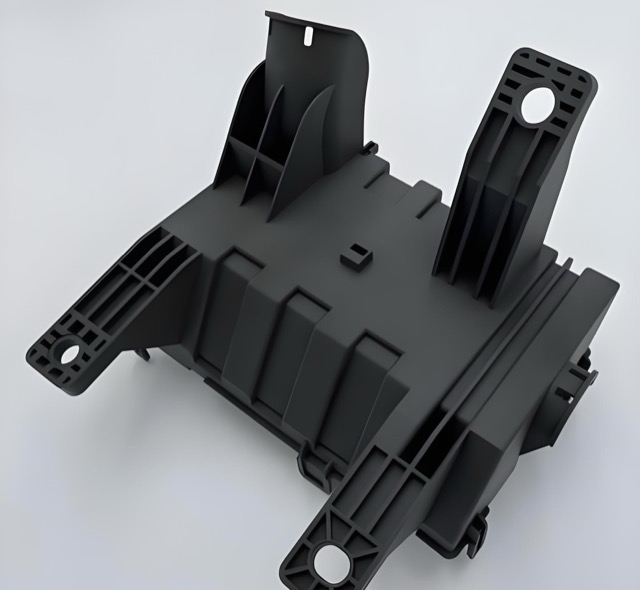
SLS Functional Bracket Printing
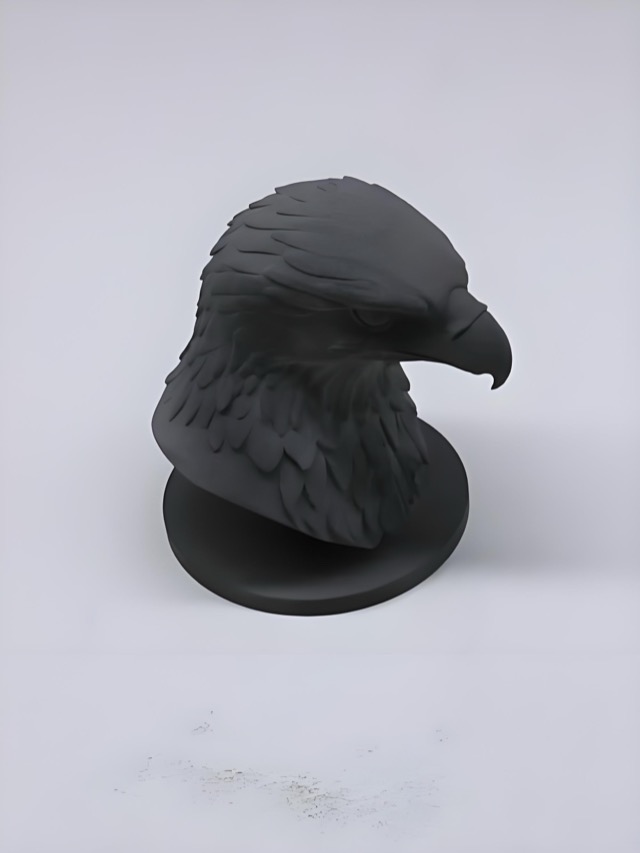
SLS Display Model Printing
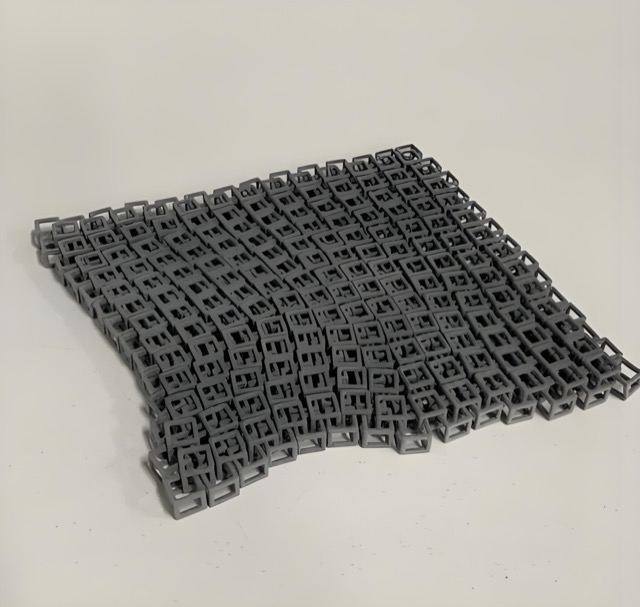
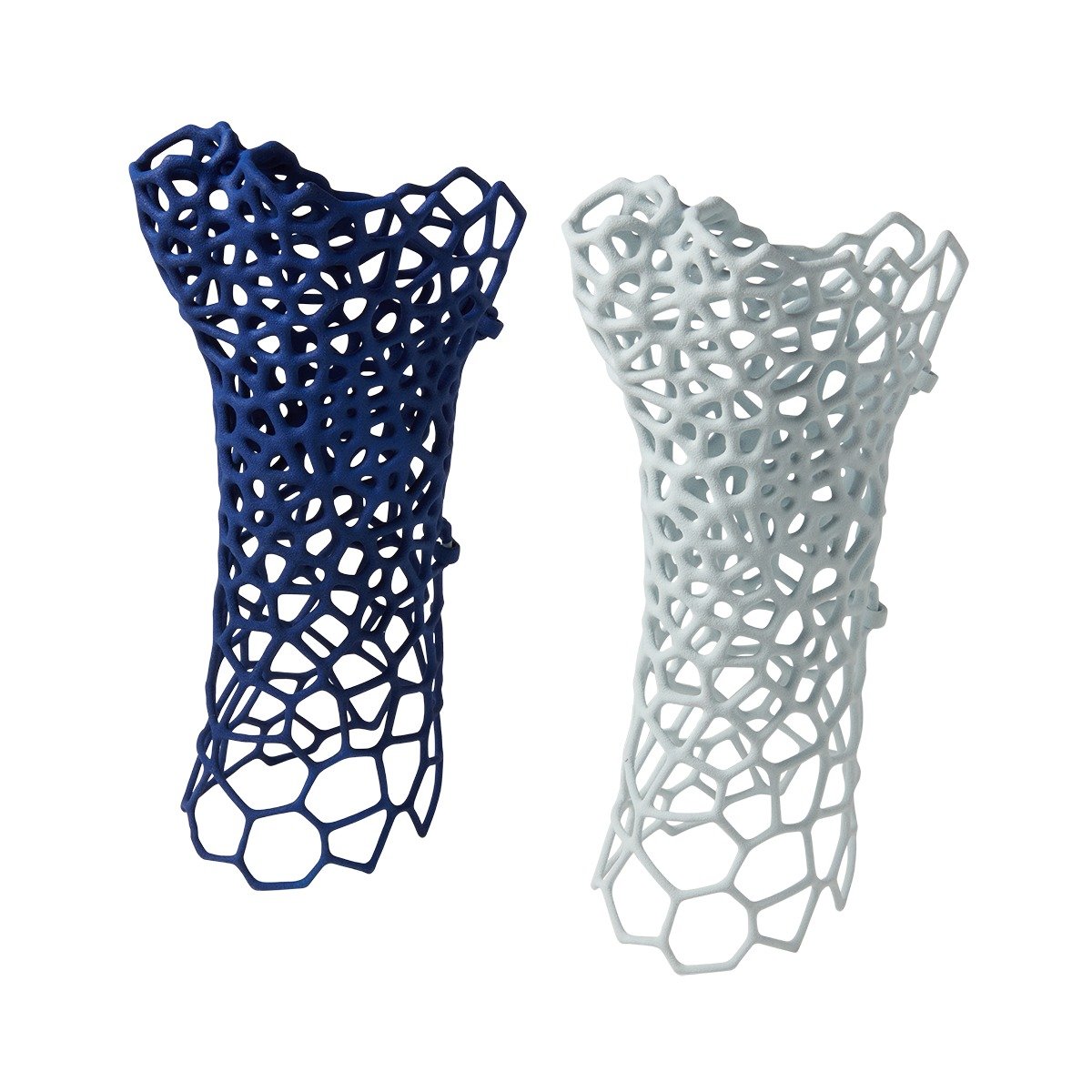
SLS Flexible Lattice Printing
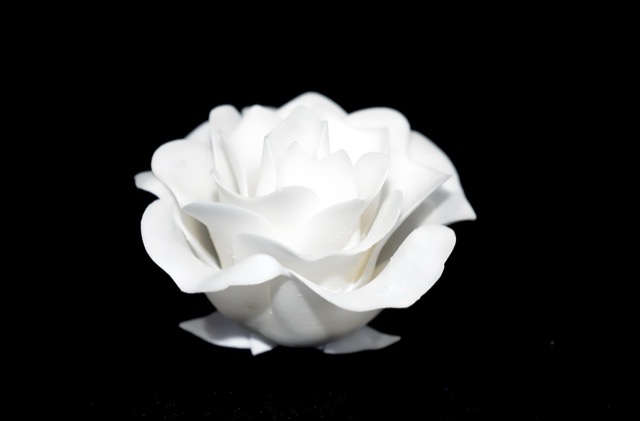
SLS Artistic Flower Printing
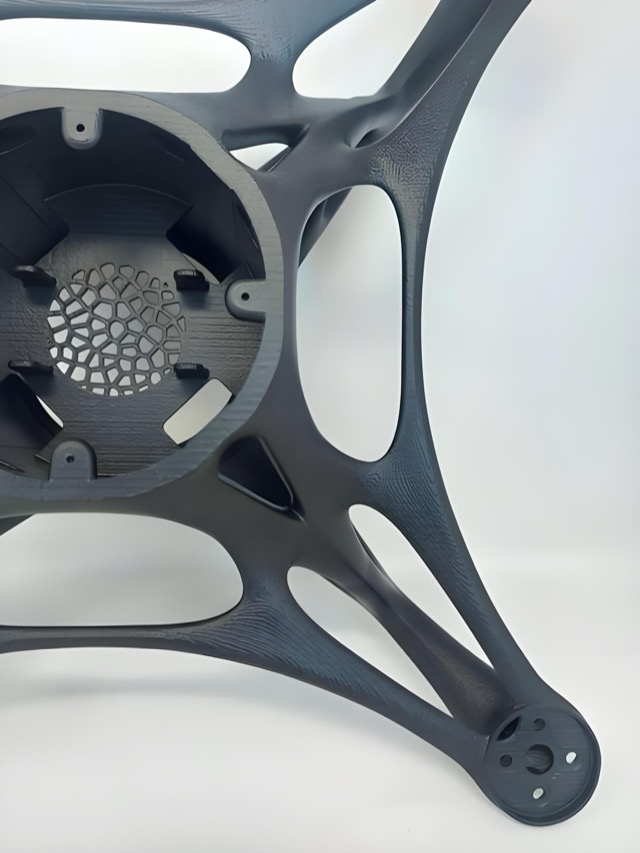
SLS Lightweight Structure Printing
Why Choose Our SLS Printing Service?
- No Support Structures Self-supporting powder bed enables highly complex internal structures and overhanging features.
- High-Strength Nylon PA12/PA11 materials offer excellent mechanical properties for direct functional testing.
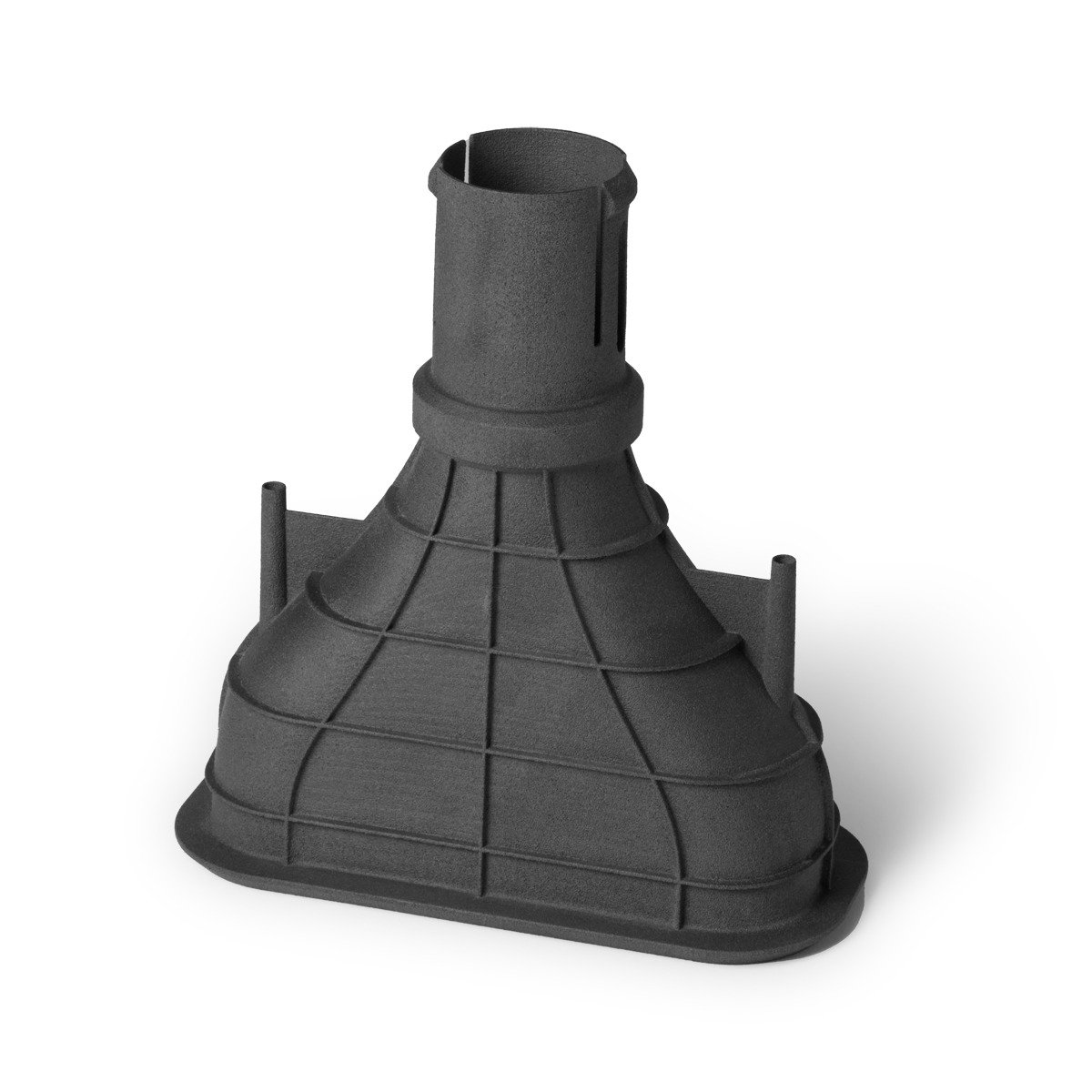
- Complex Geometry Expert Complex cavities, lattice structures, and fluid channels difficult with traditional methods are all achievable.
- Batch Processing Large powder bed allows dozens of parts per run, ideal for quick batch delivery.

SLS Laser Sintering Technical Advantages
SLS (Selective Laser Sintering) uses high-energy lasers to sinter powder layer by layer, enabling complex geometries without support structures. Xinda uses nylon PA12, PA11, and other materials for high-strength, heat-resistant parts suitable for functional testing and end-use applications.
SLS parts have a fine powdery surface texture. Post-processing options include sandblasting, dyeing, and infiltration strengthening. Ideal for functional prototypes, assembly verification, and low-volume end-use parts.
Submit Your Quote Request
Typical SLS Printing Applications
SLS printing is ideal for functional prototypes, low-volume end-use parts, complex fluid channels, and lightweight lattice structures. Nylon materials offer mechanical properties similar to injection molded parts for direct assembly and functional validation.
Widely used in automotive, consumer electronics, medical devices, and industrial equipment. Xinda recommends optimal materials and post-processing based on part requirements.
Submit Your Quote Request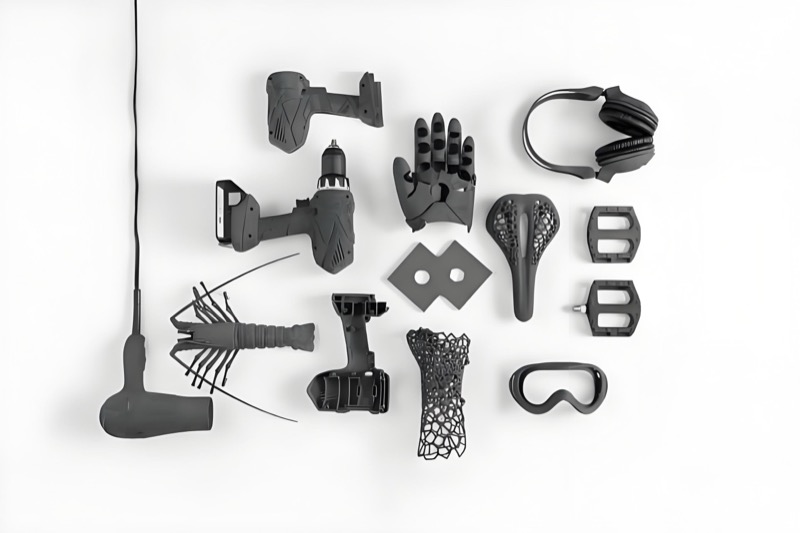
Materials
Materials Matched To Part Requirements
Common material options are evaluated according to geometry, performance requirements, and finishing needs.
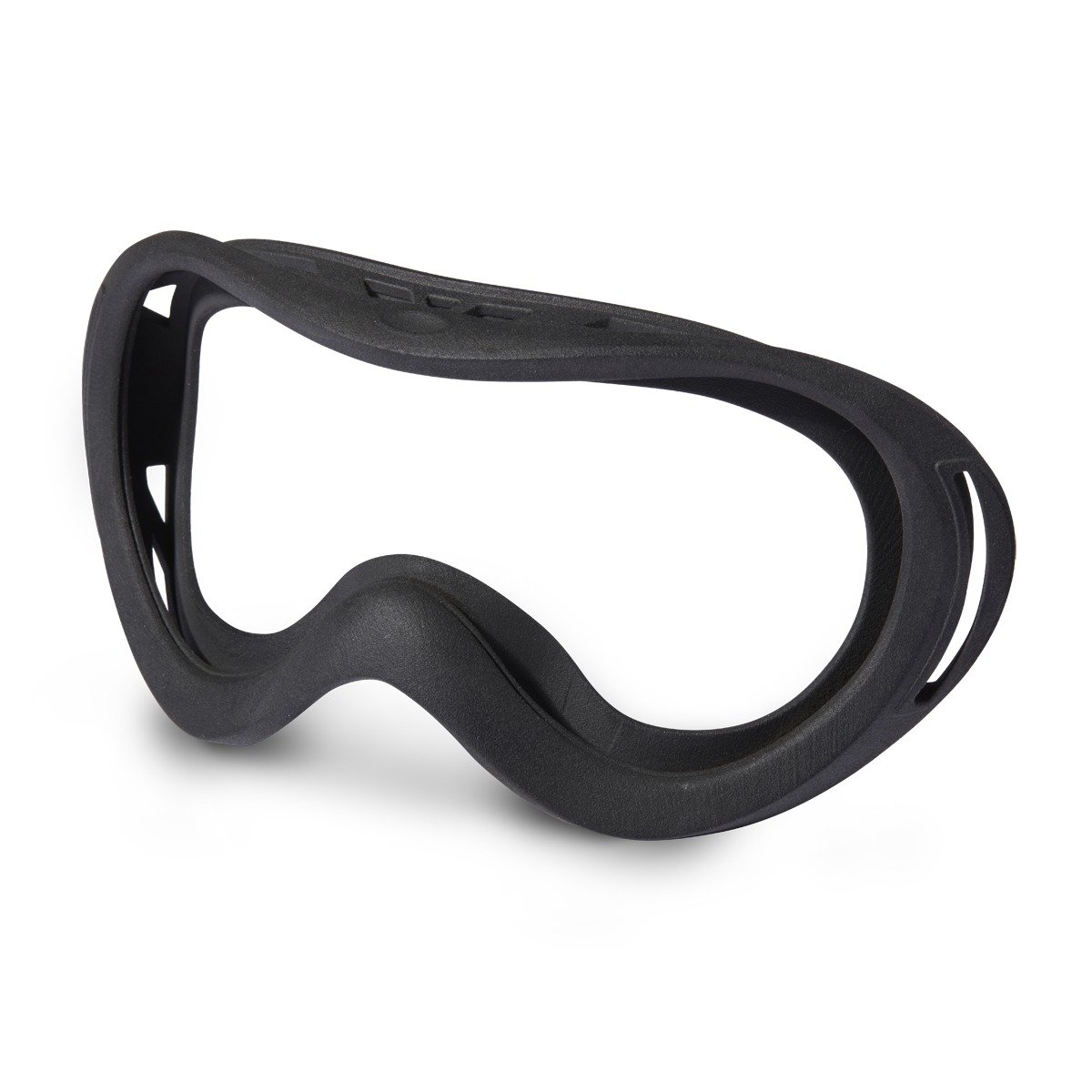
Nylon (PA6 / PA12)
Optimized for mechanical strength, tight dimensional tolerances, and high-quality finishing matching part specifications.
Nylon (PA6 / PA12)
Optimized for mechanical strength, tight dimensional tolerances, and high-quality finishing matching part specifications.
Nylon (PA6 / PA12)
Optimized for mechanical strength, tight dimensional tolerances, and high-quality finishing matching part specifications.
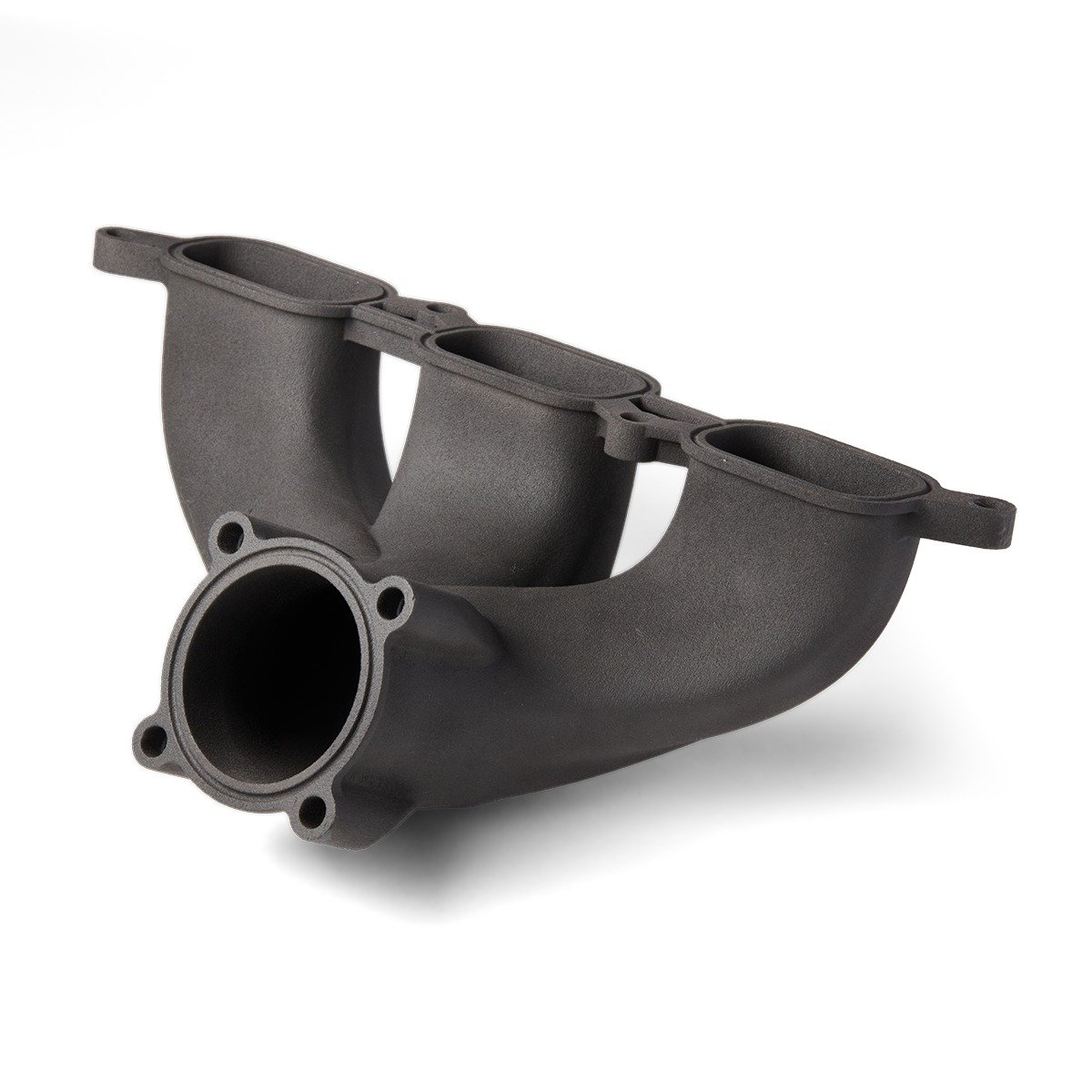
Nylon (PA6 / PA12)
Optimized for mechanical strength, tight dimensional tolerances, and high-quality finishing matching part specifications.
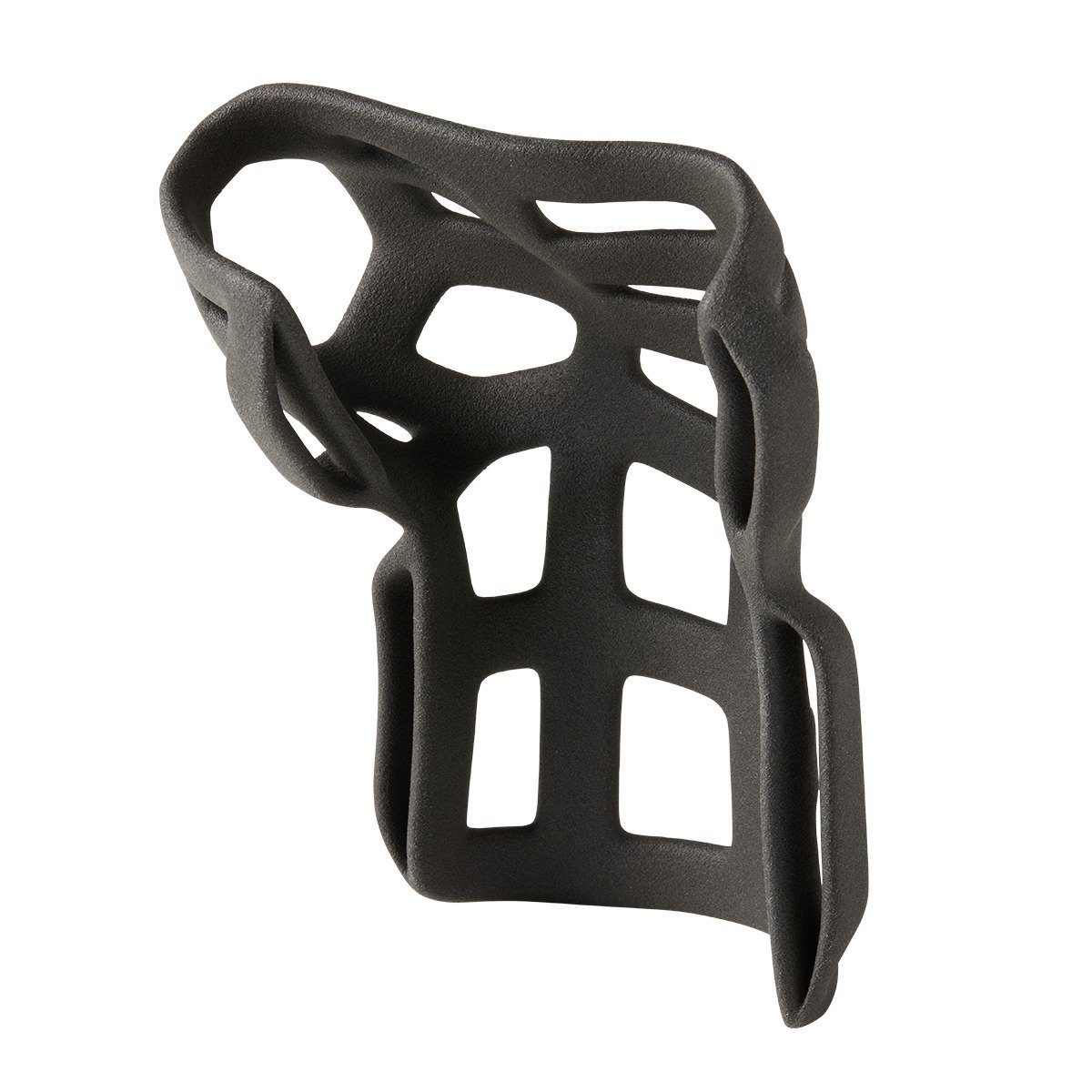
Nylon (PA6 / PA12)
Optimized for mechanical strength, tight dimensional tolerances, and high-quality finishing matching part specifications.
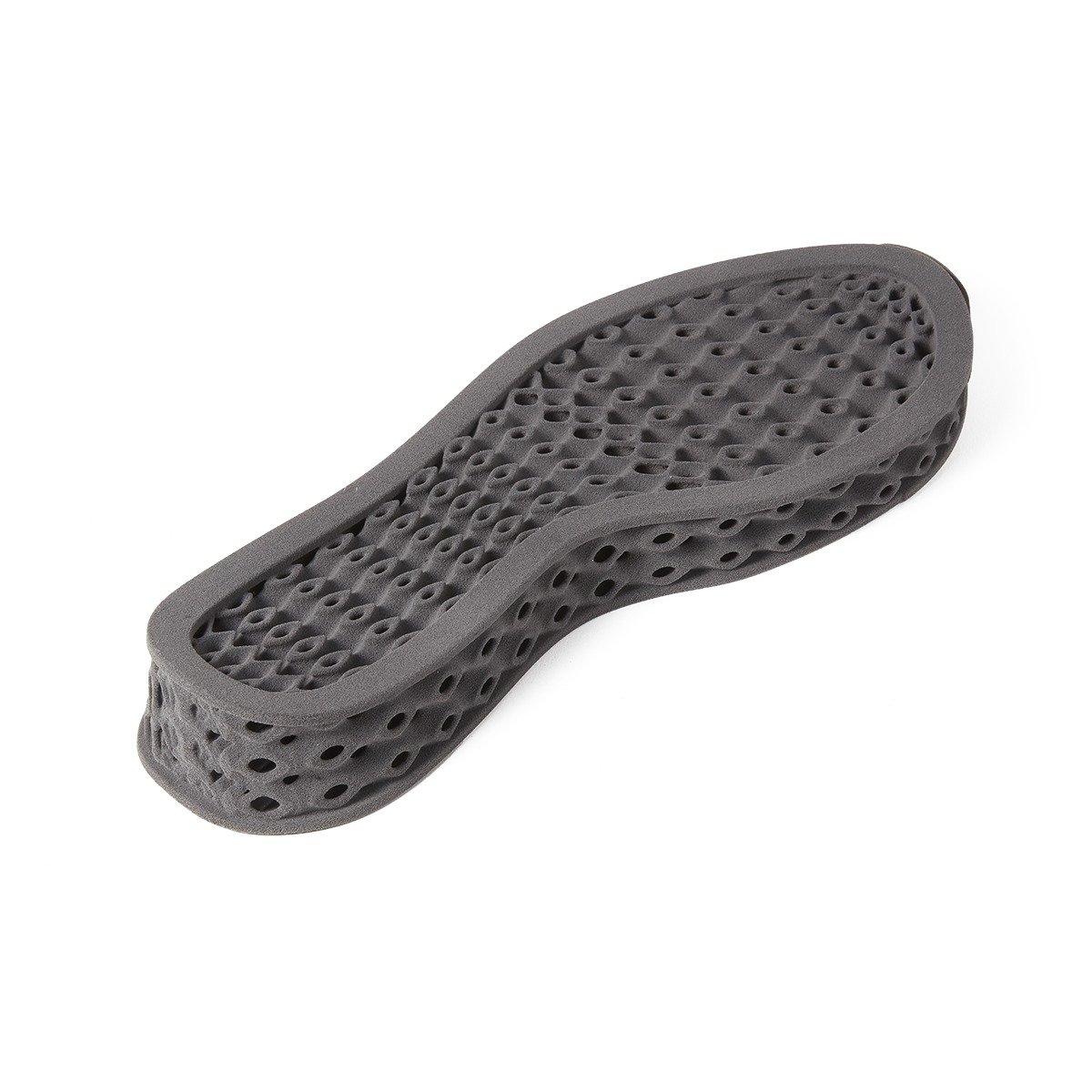
TPU
Optimized for mechanical strength, tight dimensional tolerances, and high-quality finishing matching part specifications.
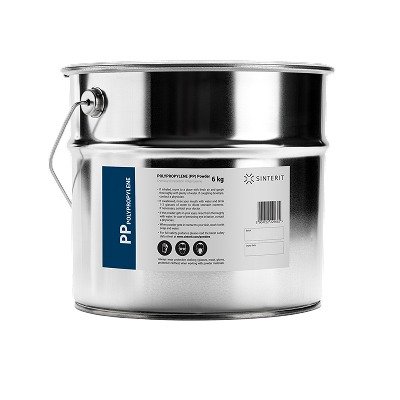
Polypropylene (PP)
Optimized for mechanical strength, tight dimensional tolerances, and high-quality finishing matching part specifications.
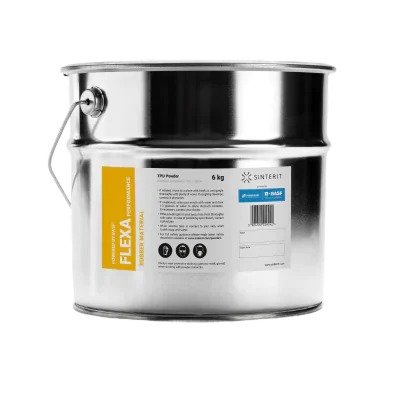
Engineering Grade Material
Optimized for mechanical strength, tight dimensional tolerances, and high-quality finishing matching part specifications.
FAQ
SLS Selective Laser Sintering FAQ
What projects are suitable for SLS Selective Laser Sintering?
Suitable for functional validation, assembly testing, complex internal-cavity structures, and low-volume end-use parts, evaluated per drawings, materials, and quantity.
What is the typical lead time?
Typical prototype lead time is 3-7 business days. Batch lead time depends on quantity, complexity, and finishing processes.
What finishing options are available?
SLS parts can be sandblasted, tumbled, dyed, painted, and infiltration-strengthened, evaluated per surface and functional requirements.
What is needed for the quotation?
Please provide 3D CAD files, 2D drawings with tolerances, material, quantity, finishing, and target lead time for an accurate quote.
Online Inquiry
Request A Quote
Submit drawings, material, quantity, and lead time requirements for engineering review.