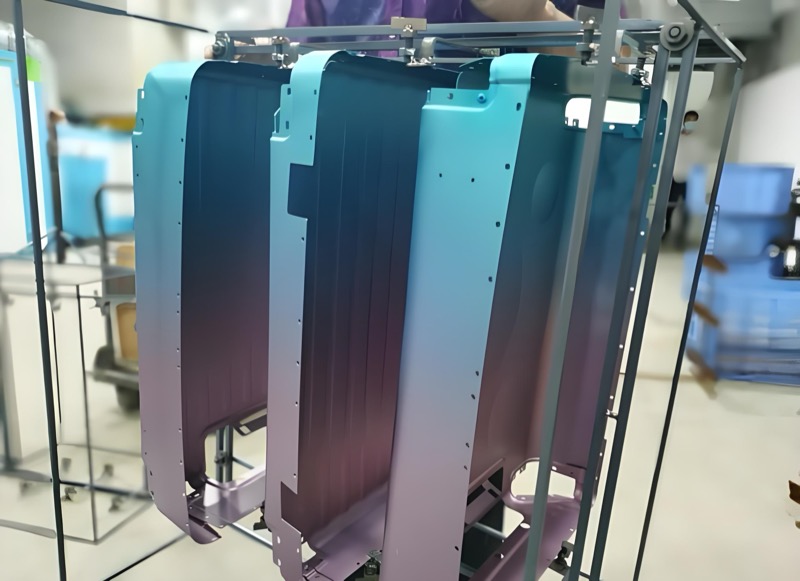
Anodizing
Creates a dense oxide layer on aluminum parts to improve wear resistance, corrosion resistance, and appearance consistency.

Surface finishing directly determines product appearance, performance, and lifespan:
Xinda offers one-stop surface finishing services including anodizing, brushing, electroplating, painting, sandblasting, and magnetic polishing. From single prototype to low-volume delivery, we match processes per drawing requirements to achieve both aesthetic appeal and peak performance.
Creates a dense oxide layer on aluminum parts to improve wear resistance, corrosion resistance, and appearance consistency.
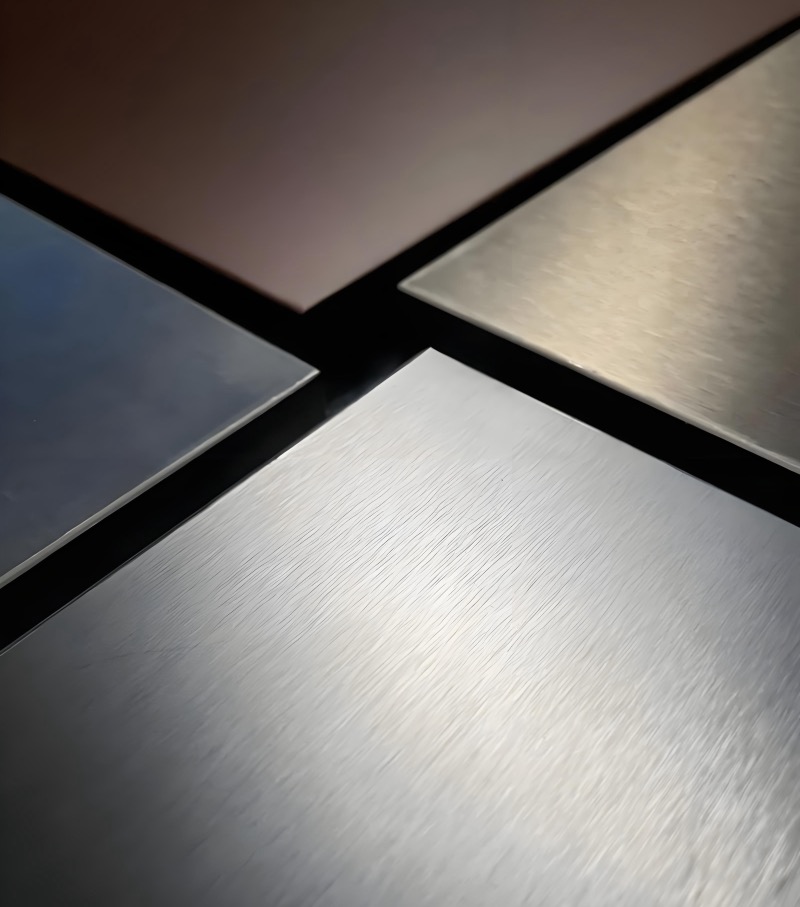
Creates a directional brushed texture for metal appearance parts and components requiring controlled surface grain.
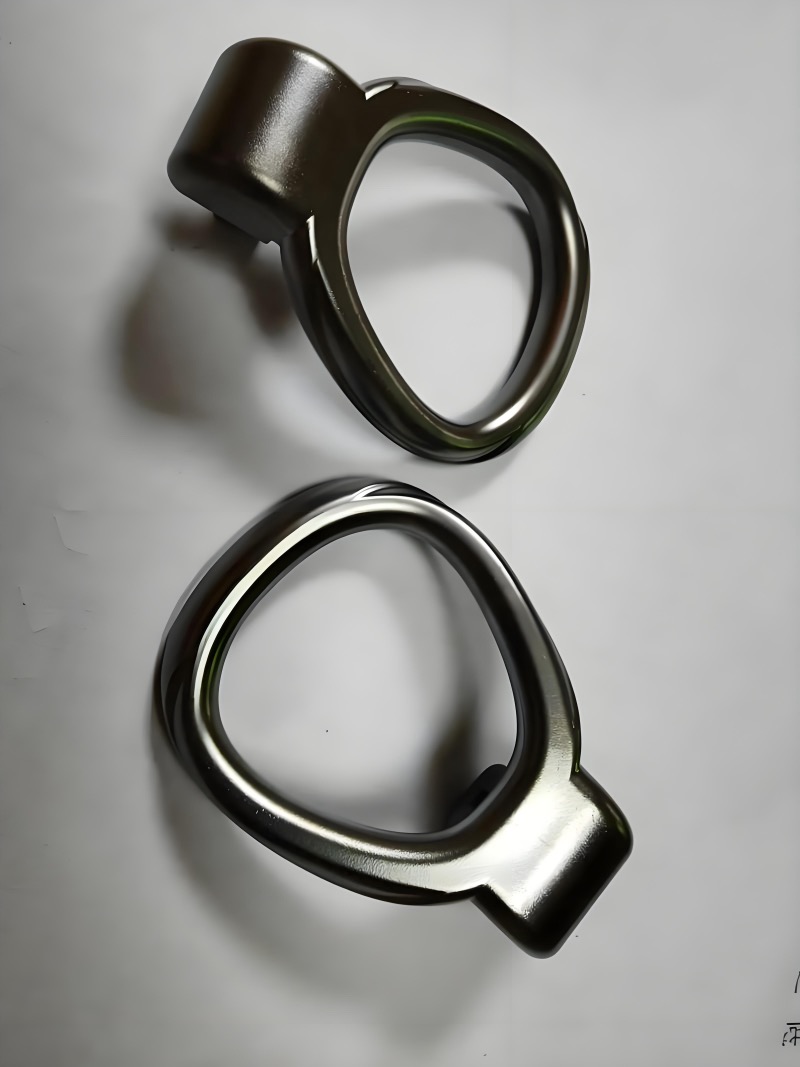
Applies a metal coating to improve corrosion resistance, wear resistance, conductivity, or decorative finish.
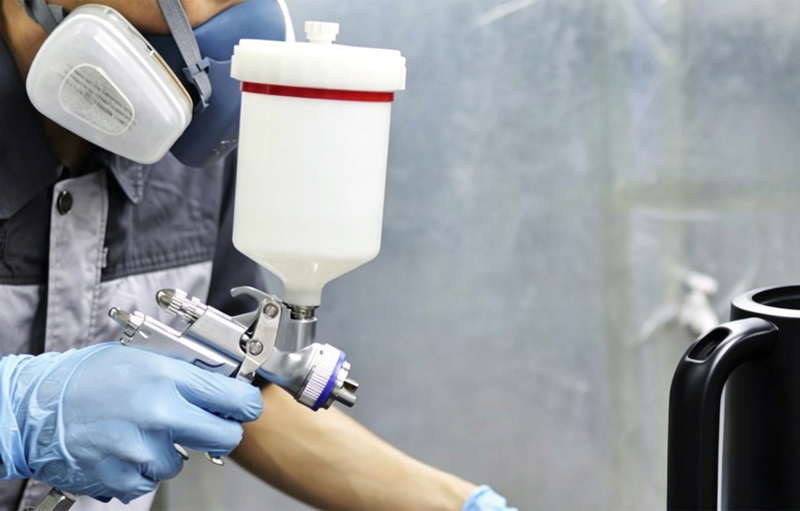
Suitable for plastic, metal, and composite parts with color, gloss, and texture controlled by sample or color code.
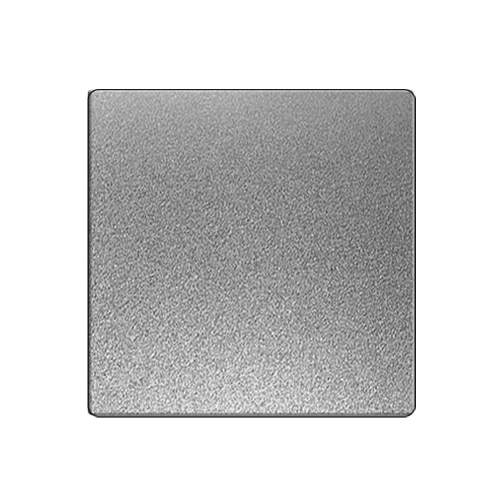
Produces an even matte texture, reduces visible machining marks, and prepares surfaces for later coating.
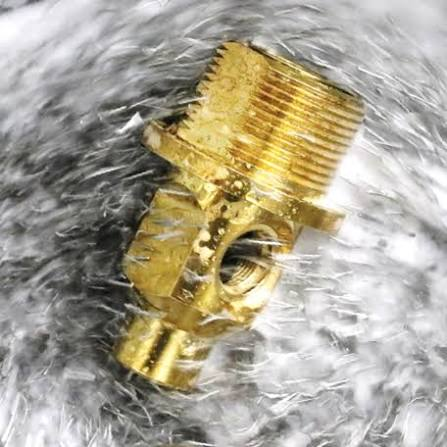
Improves holes, edges, and detailed surfaces on small metal parts and complex geometries.
Yes. Both plastic and metal prototype parts can be painted. We evaluate the material and surface state first, performing pre-treatments like sanding and priming when necessary, then spray according to color codes for uniform color and reliable adhesion.
Generally, 5000 and 6000 series aluminum alloys anodize well, with 6061-T6 producing the best results; high-strength alloys like 7075 have relatively inferior anodizing results. Suitability, achievable color, and film thickness are evaluated based on material grade and drawing requirements.
We match colors per client requirements using standard Pantone and RAL color charts; physical color samples provided by clients can also be matched directly.
Brushing creates an even grain finish using abrasive belts to highlight metallic texture, ideal for aesthetic parts. Polishing makes the surface smoother and closer to a mirror finish. You can select based on product design style or combine both.
Certain processes (such as anodizing or electroplating) deposit film layers typically ranging from a few microns to tens of microns, having minimal impact on general tolerances. For mating surfaces with tight tolerances, we reserve processing allowances during machining.
Yes. Surface finishing sampling can be done during the prototype stage based on color chips or physical samples. Confirming color, texture, and process performance before moving to batch production prevents batch rework.