
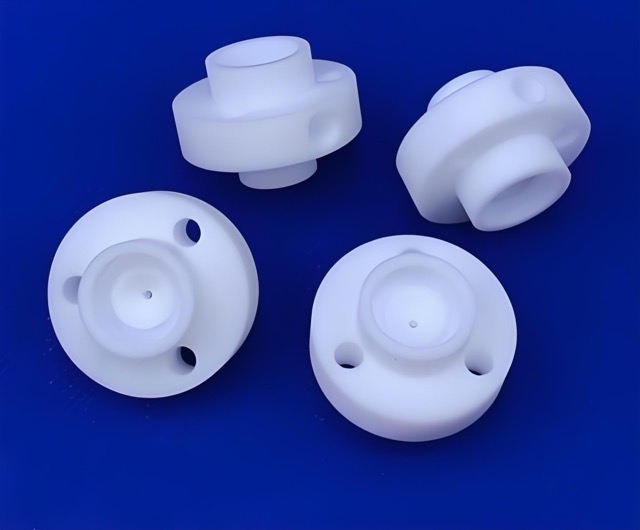
PTFE CNC Machining
Precision dedicated for forming soft materials. Xinda designs tooling and fixturing around PTFE's creep and deformation behavior, machining seals, gaskets, flanges, and insulation parts with stable dimensions from prototyping to low-volume delivery.
Process Overview
PTFE CNC Machining
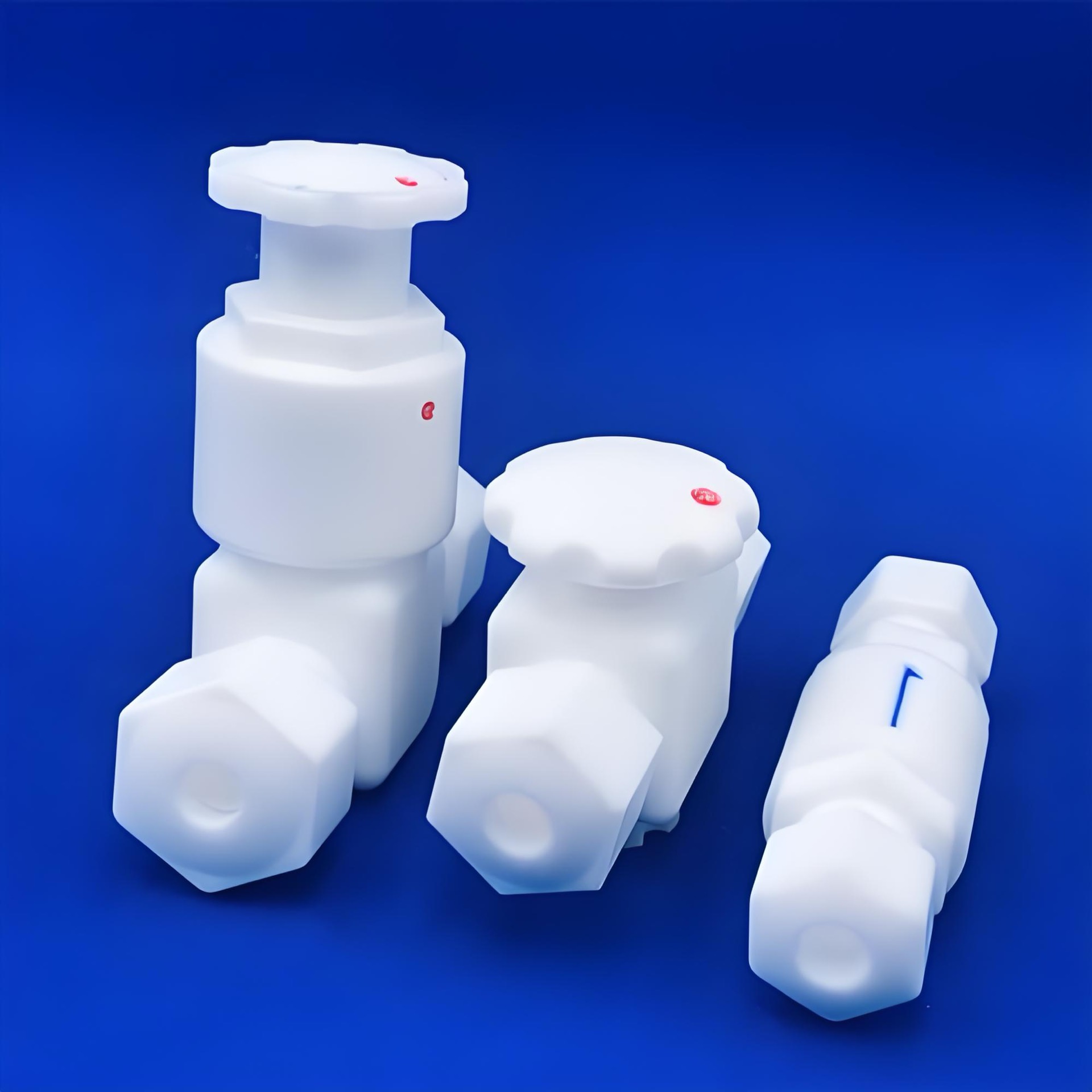
PTFE is chemically resistant with an extremely low friction coefficient — the go-to material for sealing and insulation. But it is soft and prone to creep, so ordinary machining easily causes burrs and dimensional drift. Xinda matches tooling and fixturing to part geometry, controlling heat and clamping force to keep sealing surfaces flat and dimensions stable. Annealing, surface activation, bonding, and welding are available as secondary processes.
- Soft-material precision: dedicated tooling and fixturing suppress creep deformation for stable dimensions
- Sealing expertise: flanges, gaskets, and insulation parts formed clean, with flat sealing surfaces
- Filled PTFE machinable: glass fiber, carbon fiber, and graphite filled grades all supported
Service TypeCNC Machining
Project StagePrototype / Low Volume
FinishingMatched by Material
Quote FilesSTEP / IGES / PDF
PTFE CNC Machining Part Cases
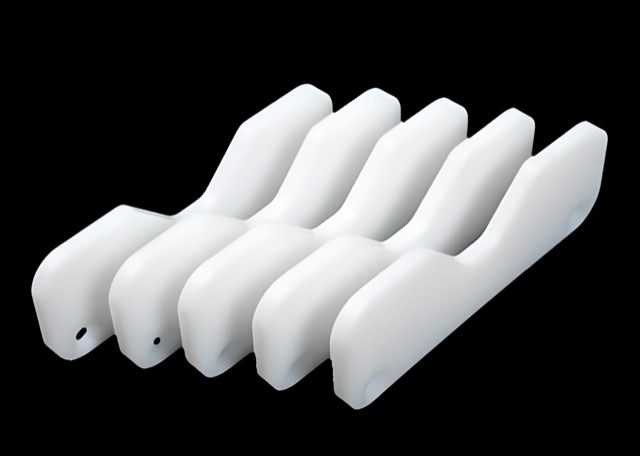
CNC Machining PTFE Flat
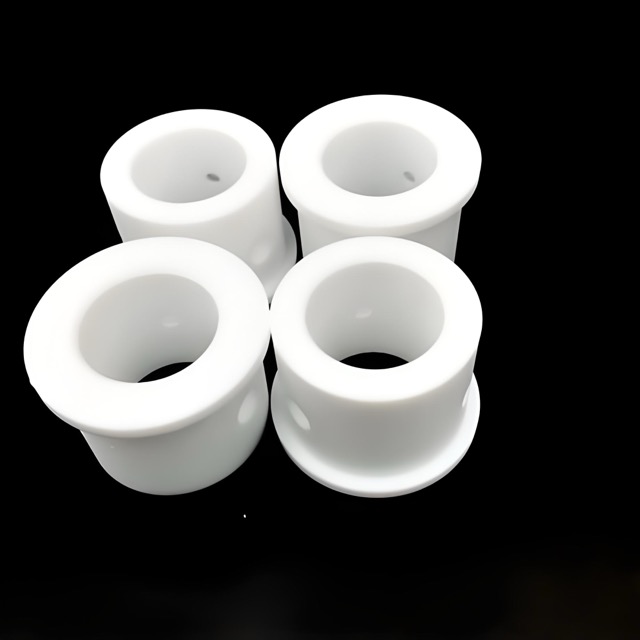
CNC Machining PTFE Tube
Why Choose Us for PTFE CNC Machining?
- Deep Material Knowledge Deep understanding of PTFE creep and cold flow properties with tailored fixturing and machining parameters.
- Dimensional Stability Strict control of cutting heat and clamping force to prevent part deformation.
- Sealing Expertise Specialized in machining PTFE seals, gaskets, and insulation components.
- Modified PTFE Can machine filled PTFE (glass fiber, carbon, graphite, etc.) for improved wear resistance and load capacity.

Advantages of PTFE CNC Machining
PTFE offers excellent chemical resistance and extremely low friction coefficient, making it the go-to material for sealing and insulation. CNC machining is the primary method for forming PTFE parts, achieving high precision and complex shapes.
Due to PTFE's soft nature and creep tendency, machining requires specialized tools and proper clamping. Xinda's team has extensive experience ensuring dimensional stability and smooth surface finish.
Submit Your Quote Request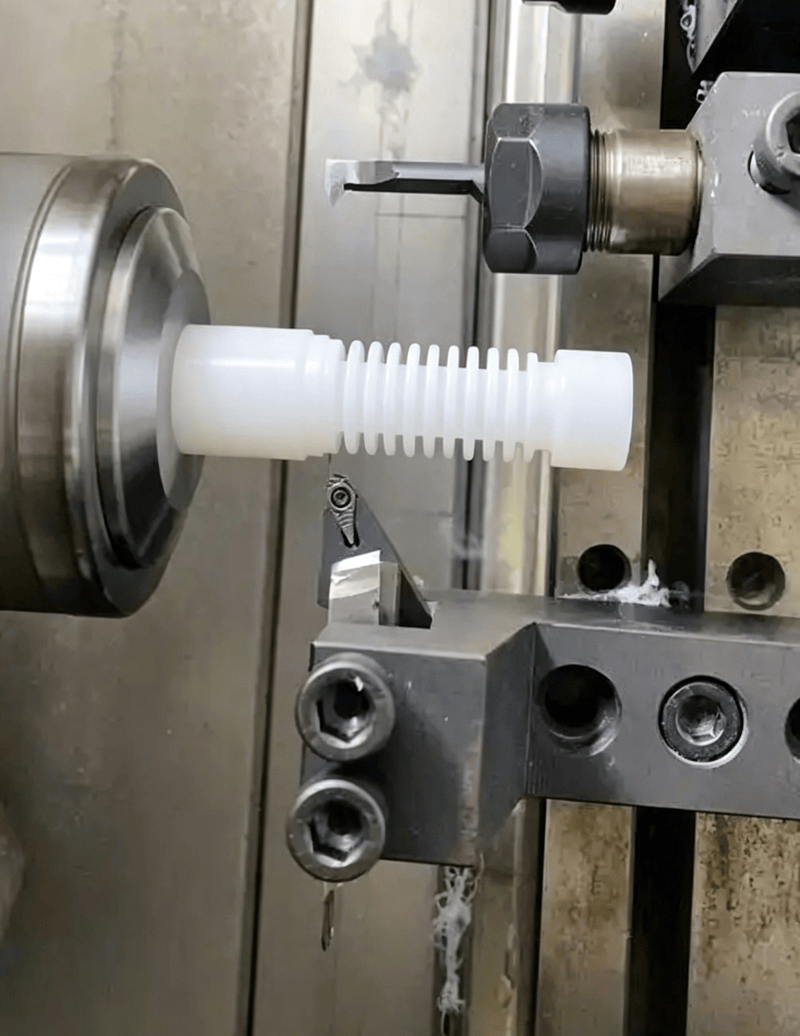
Benefits of Post-Processing for PTFE?
After machining, PTFE parts can be annealed to relieve internal stress and improve dimensional stability. For seals, surface activation treatment can enhance sealing performance.
Additionally, PTFE parts can undergo bonding, welding, and other secondary processes for easy assembly with components made of other materials.
Submit Your Quote Request
Materials
Materials Matched To Part Requirements
Common material options are evaluated according to geometry, performance requirements, and finishing needs.
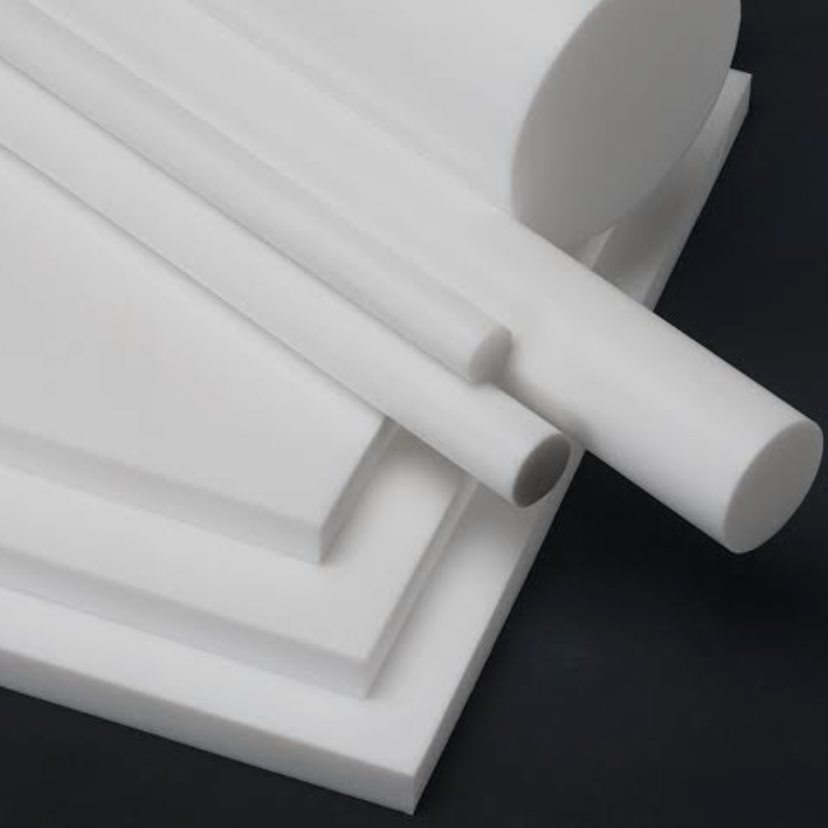
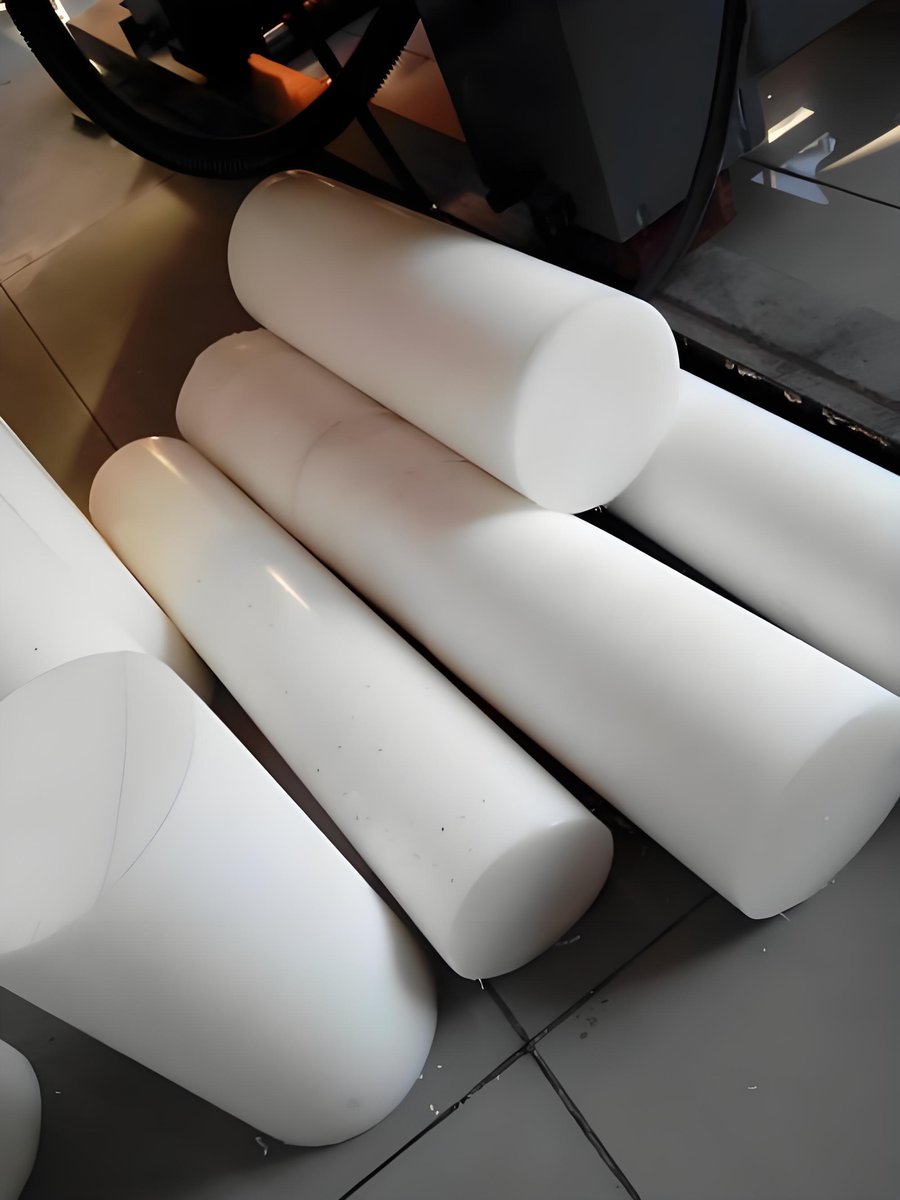
PTFE
Engineering grade material optimized for mechanical strength, tight tolerances, and surface finish.
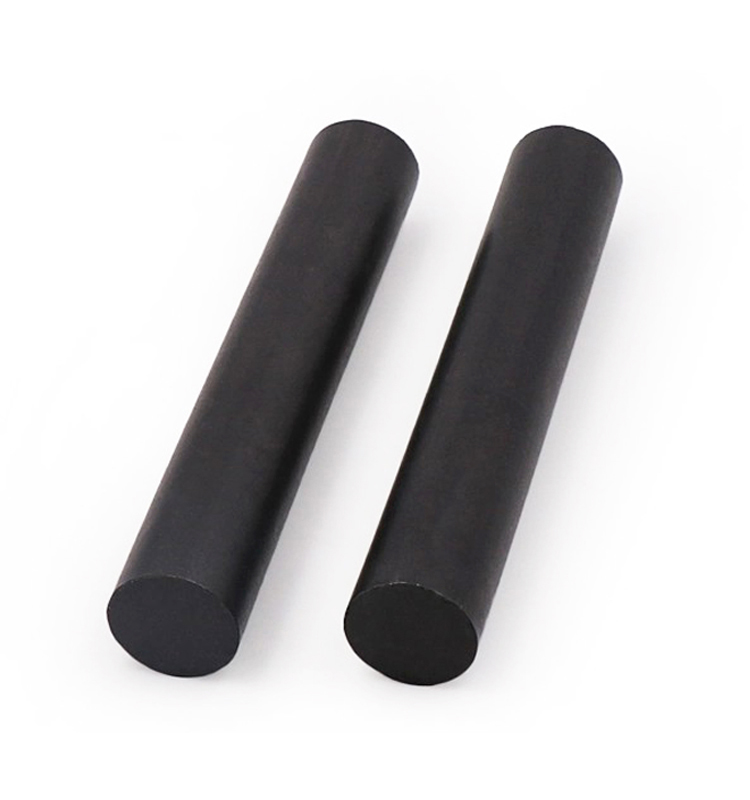
Precision Material Grade
Engineering grade material optimized for mechanical strength, tight tolerances, and surface finish.
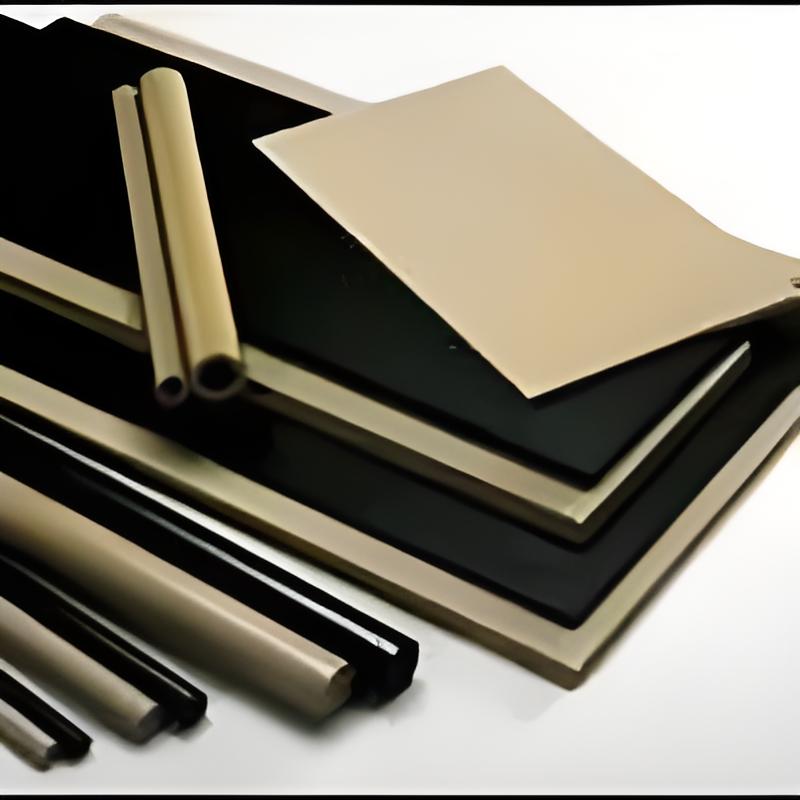
PEEK
Engineering grade material optimized for mechanical strength, tight tolerances, and surface finish.
POM
Engineering grade material optimized for mechanical strength, tight tolerances, and surface finish.
FAQ
PTFE CNC Machining FAQ
What projects are suitable for PTFE CNC Machining?
Suitable for seals, gaskets, flanges, insulation parts, and low-volume components requiring corrosion resistance, low friction, or electrical insulation.
What is the typical lead time?
Typical prototype lead time is 3-7 business days. Batch lead time depends on quantity, complexity, and finishing processes.
What finishing options are available?
Annealing for stress relief, surface activation treatment, bonding, and welding are available, evaluated per the part's sealing or assembly requirements.
What is needed for the quotation?
Please provide 3D CAD files, 2D drawings with tolerances, material, quantity, finishing, and target lead time for an accurate quote.
Online Inquiry
Request A Quote
Submit drawings, material, quantity, and lead time requirements for engineering review.