
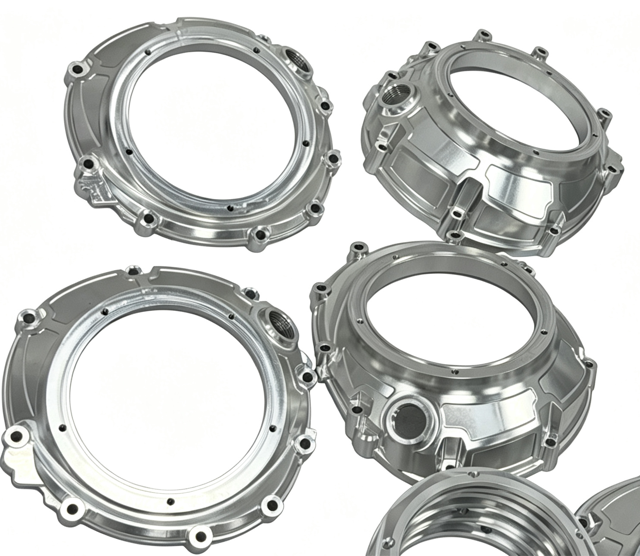
Metal CNC Machining
Metal CNC machining covering aluminum alloys, stainless steel, titanium alloys, brass, copper, and other common metals. Tools and cutting parameters are matched to each material, machining strictly per drawing from single prototypes to low-volume batches.

Process Overview
Metal CNC Machining
Different metals behave very differently under cutting — tools, speeds, feeds, and cooling must follow the material. Xinda has built deep material experience in metal machining, stably processing everything from aluminum alloys and stainless steel to titanium and copper alloys. We handle structural and precision parts alike, machining per drawing with rigorous inspection.
- Tools and cutting parameters matched to material, balancing efficiency and surface quality
- Full coverage of common metals: aluminum alloys, stainless steel, titanium alloys, brass, and copper
- Anodizing, plating, sandblasting, brushing, and other finishing available after machining
Service TypeCNC Machining
Project StagePrototype / Low Volume
FinishingMatched by Material
Quote FilesSTEP / IGES / PDF
Metal CNC Machining Part Cases
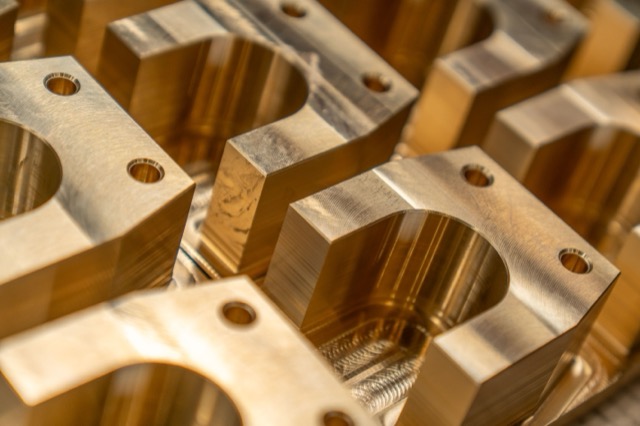
Brass CNC Machining
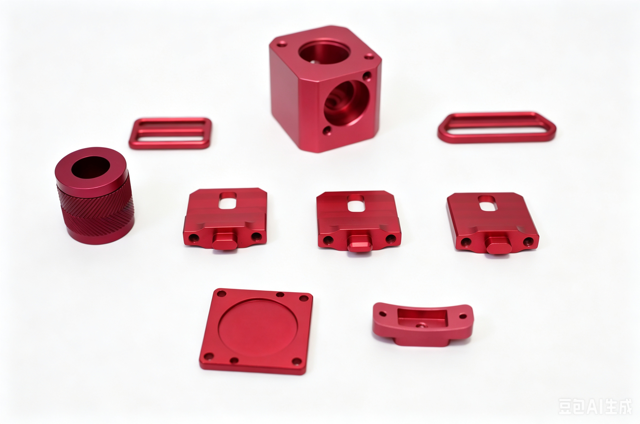
Steel CNC Machining
Our Metal CNC Machining Capabilities
Xinda machines a wide range of metals including aluminum alloys, stainless steel, carbon steel, alloy steel, brass, and copper. We select appropriate tools, cutting parameters, and cooling methods based on material properties to ensure machining efficiency and surface quality.
From simple flanges to complex housings, from single samples to batch delivery, our metal CNC machining services cover diverse industry needs.
Submit Your Quote Request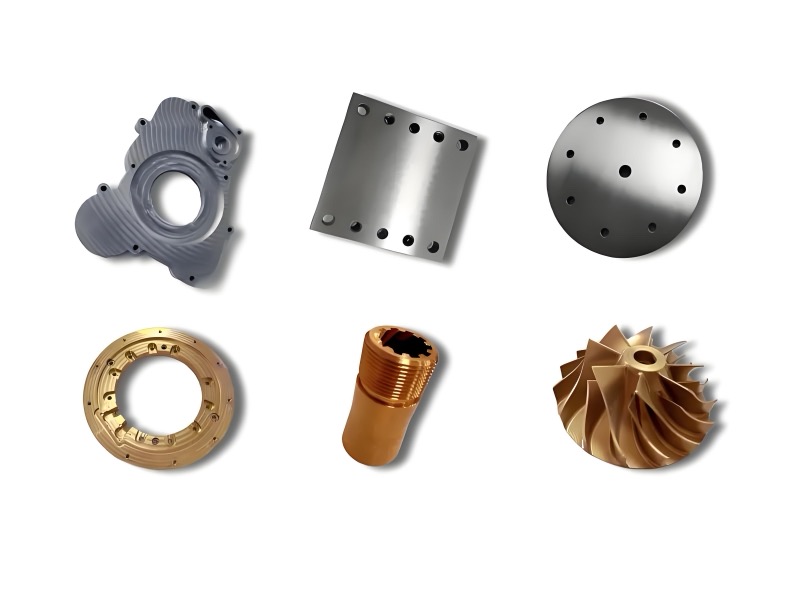
How do we ensure quality?
We have established a comprehensive quality management system. From raw material warehousing to finished product shipment, every step has clear inspection standards and operating procedures.
Key processes include in-line inspection, with first-article confirmation before batch machining. All parts are shipped with dimensional inspection reports for full traceability.
Submit Your Quote Request
Materials
Materials Matched To Part Requirements
Common material options are evaluated according to geometry, performance requirements, and finishing needs.

Aluminum Alloy
Lightweight, excellent corrosion resistance, high machinability, ideal for structural components.

Engineering Grade Material
Optimized for mechanical strength, tight dimensional tolerances, and high-quality finishing matching part specifications.

Carbon Steel
Optimized for mechanical strength, tight dimensional tolerances, and high-quality finishing matching part specifications.

Engineering Grade Material
Optimized for mechanical strength, tight dimensional tolerances, and high-quality finishing matching part specifications.
.png)
Engineering Grade Material
Optimized for mechanical strength, tight dimensional tolerances, and high-quality finishing matching part specifications.

Stainless Steel
High strength, excellent corrosion & heat resistance, suitable for medical, food, and industrial applications.
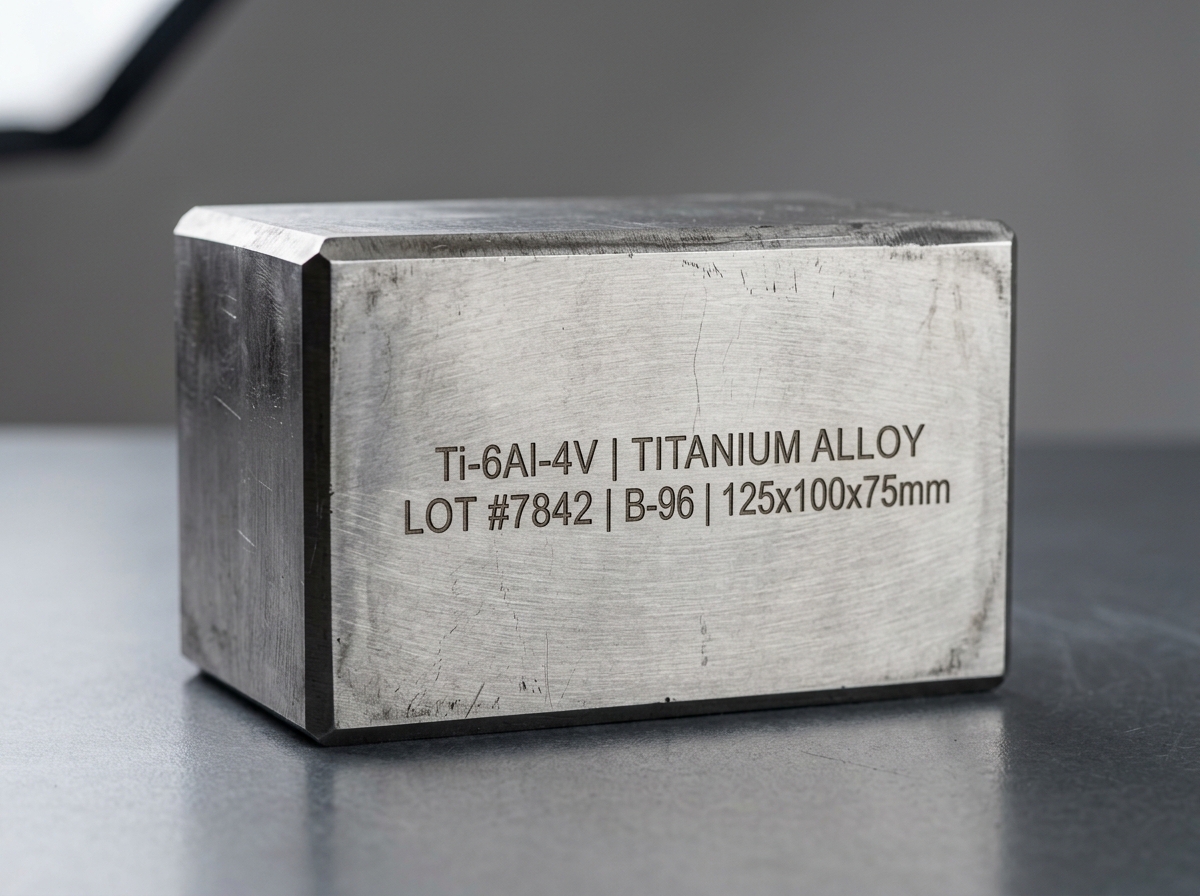
Titanium Alloy
High strength, excellent corrosion & heat resistance, suitable for medical, food, and marine applications.
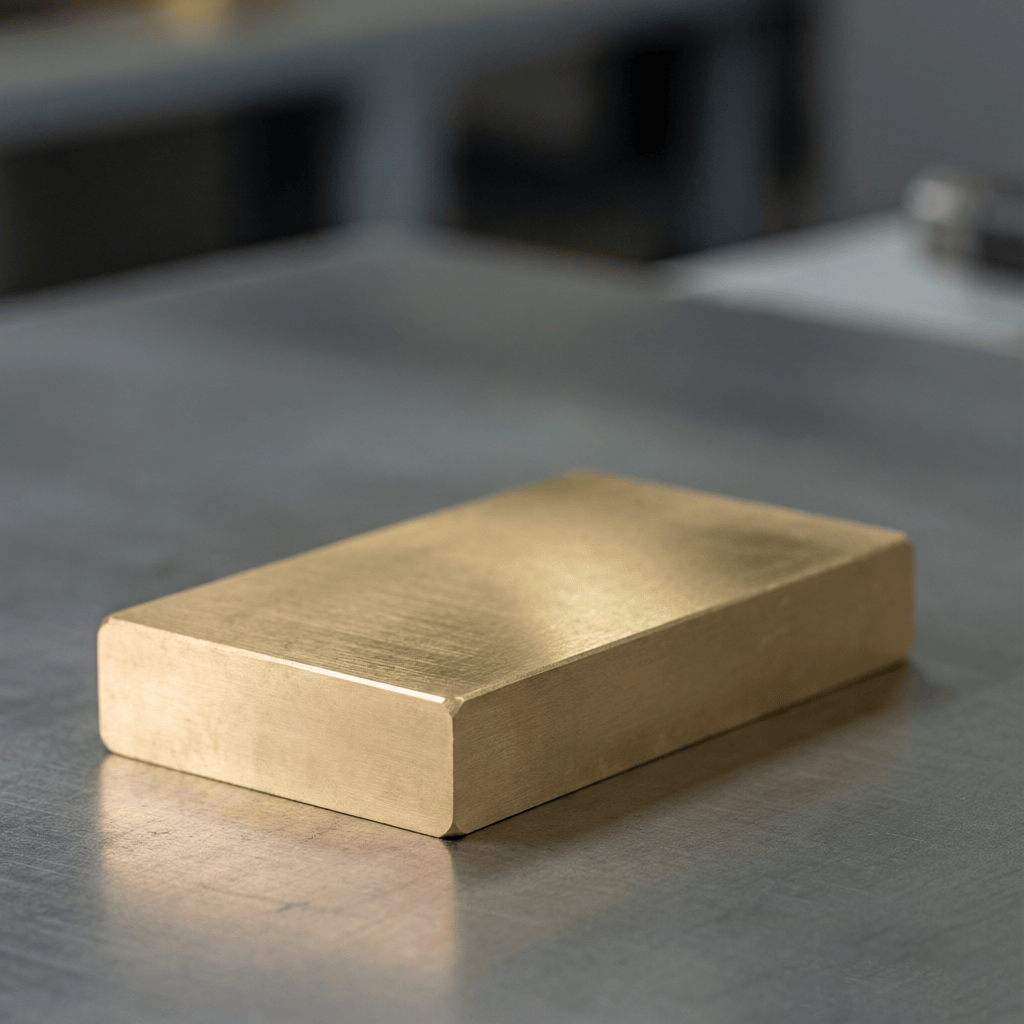
Brass Alloy
Superior thermal and electrical conductivity, wear-resistant and easy to machine, used for valves, connectors, and terminals.
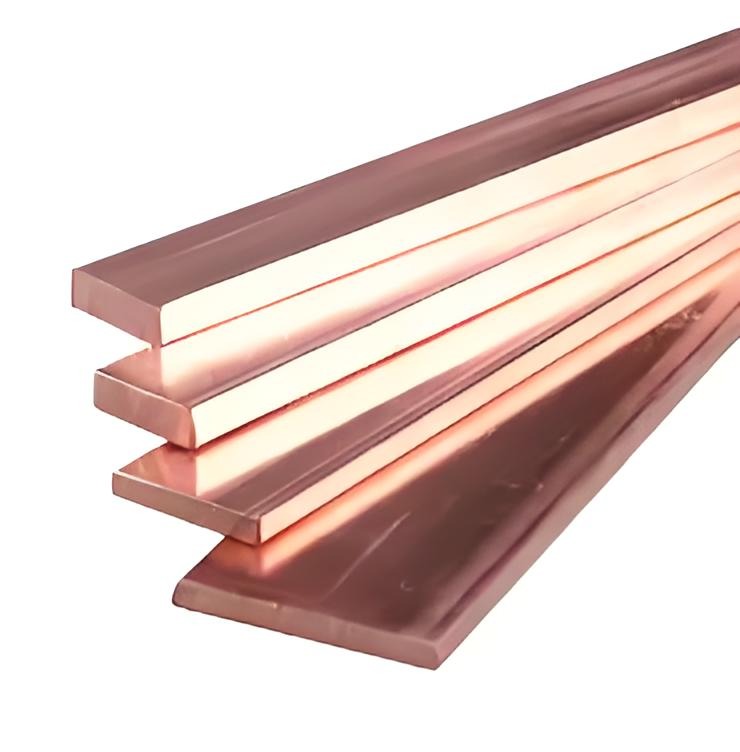
Pure Copper
Superior electrical and thermal conductivity, excellent ductility for electrodes, heat sinks, and contacts.
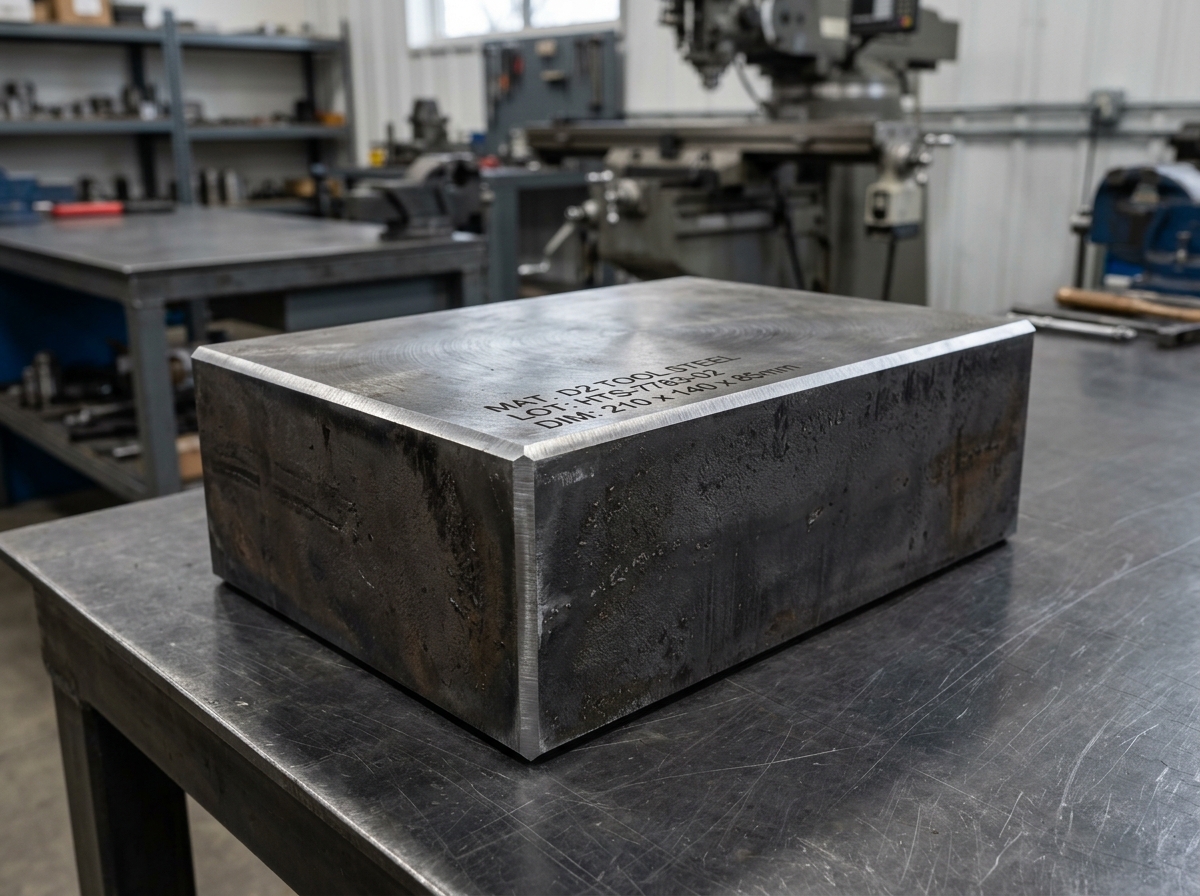
Tool / Mold Steel
Optimized for mechanical strength, tight dimensional tolerances, and high-quality finishing matching part specifications.
FAQ
Metal CNC Machining FAQ
What projects are suitable for Metal CNC Machining?
It is suitable for structural validation, appearance prototypes, functional parts, and low-volume production. The final plan depends on drawings, materials, quantity, and tolerance requirements.
What is the typical lead time?
Typical prototype lead time is 3-7 business days. Batch lead time depends on quantity, complexity, and finishing processes.
What finishing options are available?
Available finishing options include sandblasting, polishing, painting, anodizing, plating, brushing, and silk screening depending on material and application.
What is needed for the quotation?
Please provide 3D CAD files, 2D drawings with tolerances, material, quantity, finishing, and target lead time for an accurate quote.
Online Inquiry
Request A Quote
Submit drawings, material, quantity, and lead time requirements for engineering review.