
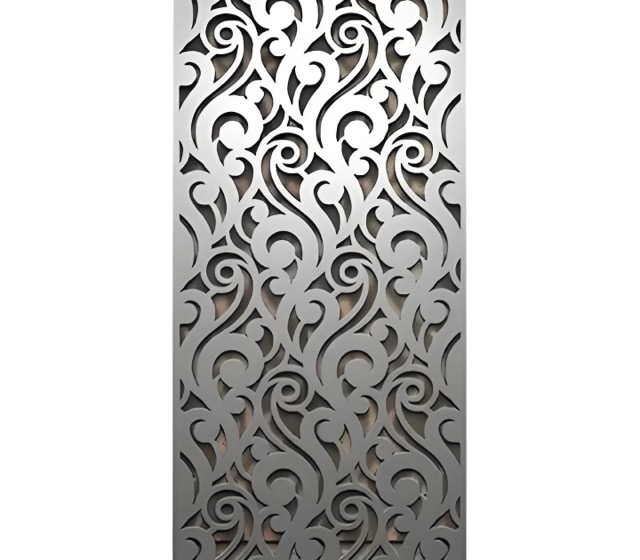
Laser Cutting
Efficient, precise sheet metal blanking. Xinda is equipped with fiber, CO2, and Nd:YAG laser systems to cut stainless steel, carbon steel, aluminum, brass, and more, with narrow kerf and small heat-affected zone, from single prototypes to low-volume batches.
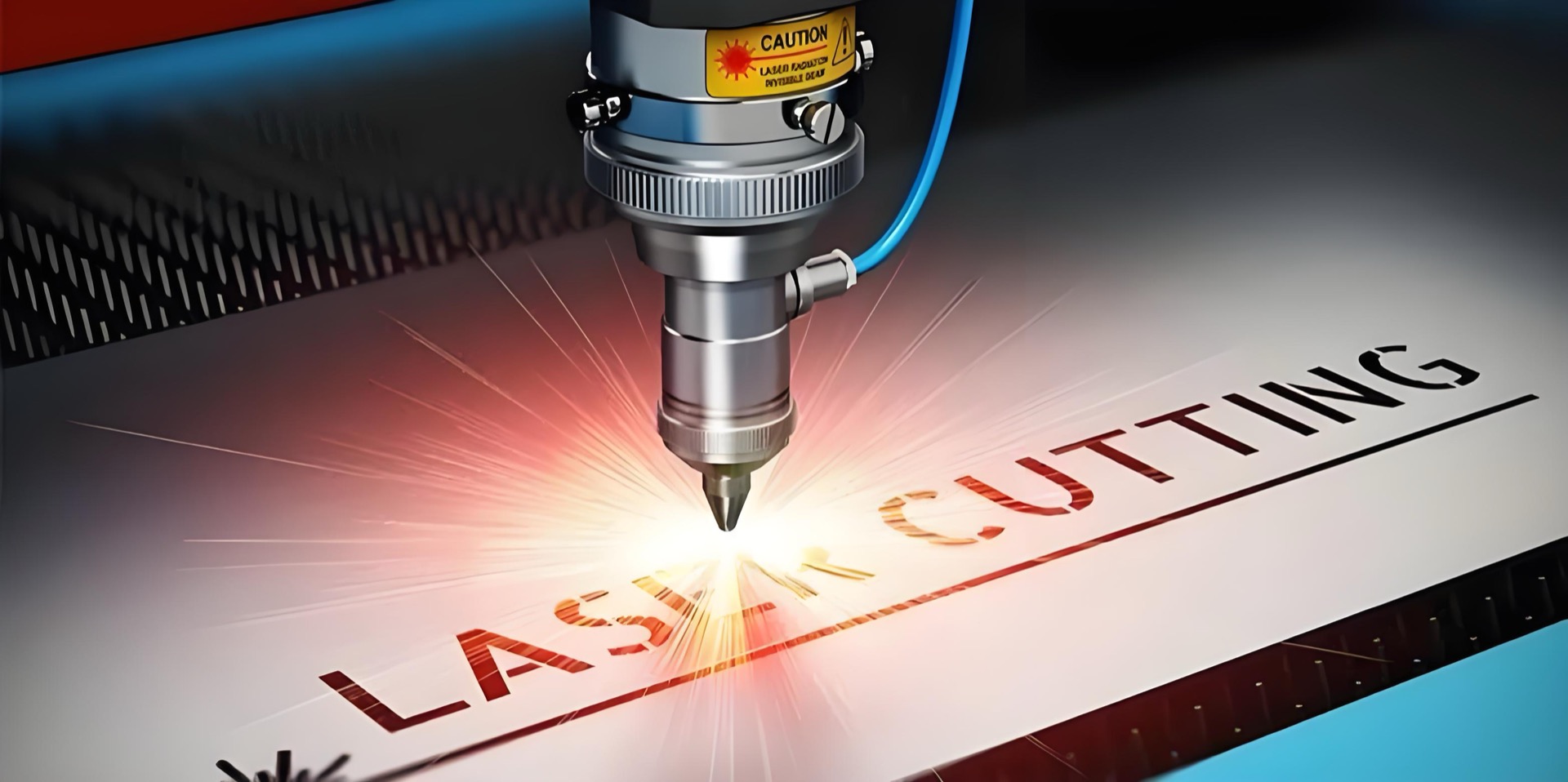
Process Overview
Laser Cutting
The key to laser cutting lies in sheet selection and cutting parameter matching.
- Multiple laser sources: fiber, CO2, and Nd:YAG cover different materials and thicknesses
- High-precision cuts: ±0.1mm accuracy with narrow kerf and small heat-affected zone
- Thick plates: fiber laser cuts up to 25mm carbon steel and 20mm stainless steel
Service TypeSheet Metal
Project StagePrototype / Low Volume
FinishingMatched by Material
Quote FilesSTEP / IGES / PDF
Laser Cutting Part Cases
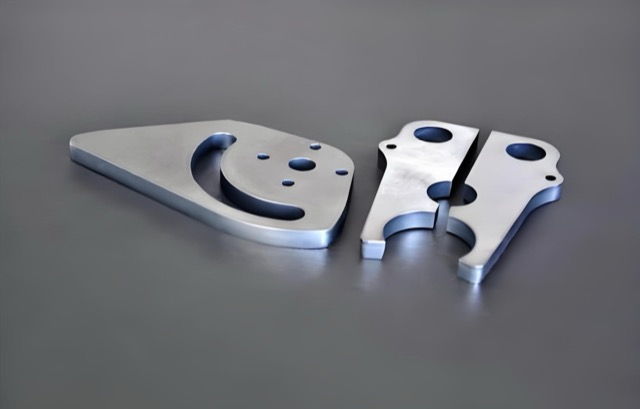
Fiber Laser Cutting
.jpeg)
Nd:YAG Laser Cutting
Xinda's Professional Laser Cutting Process
Equipped with fiber, CO2, and Nd:YAG laser systems covering different materials and thicknesses: fiber lasers suit high-precision, high-speed cutting of thin and medium plates, CO2 lasers work for non-metal and some metal sheets, and Nd:YAG lasers handle fine cutting and welding of thin sheets.
Cutting accuracy reaches ±0.1mm with narrow kerf and small heat-affected zone, cutting up to 25mm carbon steel and 20mm stainless steel.
Submit Your Quote Request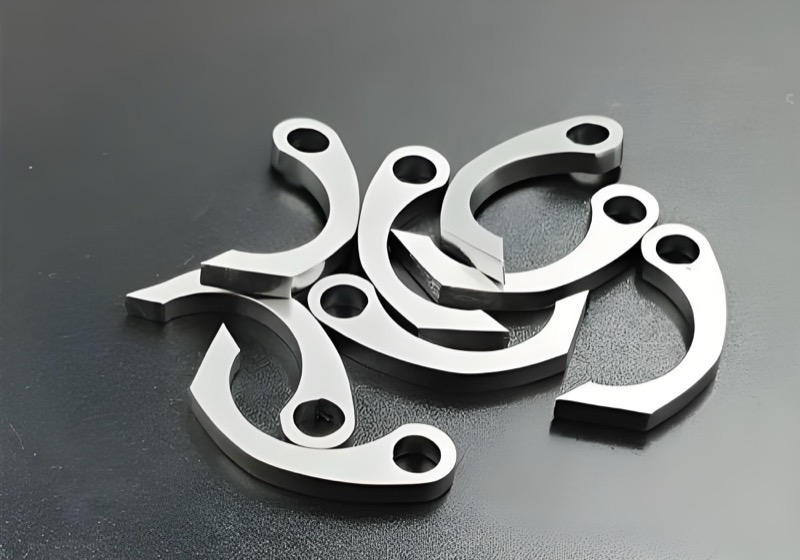
Our Laser Cutting Service Advantages
Laser cutting is the most efficient cutting method in sheet metal processing. Xinda is equipped with fiber, CO2, and Nd:YAG laser systems for cutting stainless steel, carbon steel, aluminum, brass, and other metals.
Fiber laser suits high-speed precision cutting of thin to medium plates; CO2 laser works for non-metals and some metals; Nd:YAG laser handles thick plate cutting. Processing range covers 0.5mm to 25mm sheets with high precision and good cut quality.
Submit Your Quote Request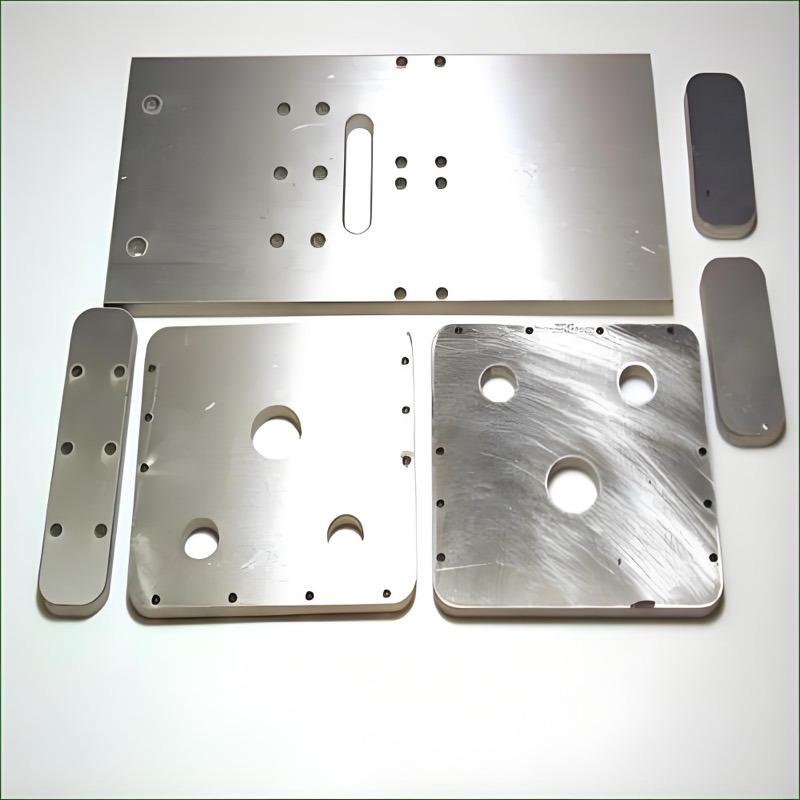
Materials
Materials Matched To Part Requirements
Common material options are evaluated according to geometry, performance requirements, and finishing needs.

Carbon Steel
Optimized for mechanical strength, tight dimensional tolerances, and high-quality finishing matching part specifications.

Stainless Steel
High strength, excellent corrosion & heat resistance, suitable for medical, food, and marine applications.

Aluminum Sheet
Optimized for mechanical strength, tight dimensional tolerances, and high-quality finishing matching part specifications.

Pure Copper
Superior electrical and thermal conductivity, excellent ductility for electrodes, heat sinks, and contacts.

Brass Alloy
Superior electrical and thermal conductivity, excellent ductility for electrodes, heat sinks, and contacts.

Galvanized Sheet
High strength, excellent corrosion & heat resistance, suitable for medical, food, and marine applications.

Engineering Grade Material
Optimized for mechanical strength, tight dimensional tolerances, and high-quality finishing matching part specifications.

Engineering Grade Material
Optimized for mechanical strength, tight dimensional tolerances, and high-quality finishing matching part specifications.

MDF
Optimized for mechanical strength, tight dimensional tolerances, and high-quality finishing matching part specifications.

Acrylic (PMMA)
Optimized for mechanical strength, tight dimensional tolerances, and high-quality finishing matching part specifications.
FAQ
Laser Cutting FAQ
What projects are suitable for Laser Cutting?
Suitable for sheet blanking parts, enclosures, brackets, and other small-to-medium batch components, evaluated per drawings, sheet material, and quantity.
What is the typical lead time?
Typical prototype lead time is 3-7 business days. Batch lead time depends on quantity, complexity, and finishing processes.
What finishing options are available?
Cut parts can be deburred, chamfered, bent, welded, and powder-coated or painted, evaluated per structure and surface requirements.
What is needed for the quotation?
Please provide 3D CAD files, 2D drawings with tolerances, material, quantity, finishing, and target lead time for an accurate quote.
Online Inquiry
Request A Quote
Submit drawings, material, quantity, and lead time requirements for engineering review.